COS Classroom is a relationship-based approach that translates decades of attachment research, developmental psychology, and ancestral wisdom into early care settings. Educators serve as critical early relationships who provide both a secure base and a safe haven for young children, which is foundational for school readiness and effective learning. Because applying knowledge in the ‘heat of the moment’ is challenging, COS Classroom coaches support educators who complete COS Classroom Foundations course to recognize specific relationship patterns and develop individualized Action Plans. Administrators create the culture of safety where staff feel supported to do the hard work.
Educators
- Make sense of difficult behaviors in the classroom through a relational lens
- Learn effective strategies to teach children emotion regulation skills
- Support the development of resilience in children who have experienced stress and trauma
- Engage your curiosity and wisdom when you learn this supportive model for exploration
Schools & Agencies
- Bring evidence based professional development and coaching to your workplace
- Create a Culture of Safety where staff feel supported to do the hard work and to ask for help when needed
- Benefit from flexible professional development options (individual, small group, or whole staff engagement)
A Professional Development and Coaching Experience that Makes a Difference
- Unique in its focus on secure relationships
- Integrates trauma awareness and sensitivity to honor the lived experiences of educators, children, and families
- Culturally respectful to the different beliefs and ways we give care
- Adaptable to a variety of early care settings (home-based, family-based, center-based, preschools, Head Start, etc.)
- Practice-based collaborative partnership
- Improves teacher confidence and competence in relationship building
- Enhances children’s learning with most curricula


Core Philosophy and Research Foundations
- Relationship Over Behavior - Unlike traditional models that focus on managing outward behaviors, COS Classroom focuses on building secure relationships.
- Neuroscience of Safety - Research indicates that a child’s brain must determine it is safe before it can fully engage in learning. When children feel ‘seen’ and understood, their energy shifts from survival to exploration and discovery. The same could be said for educators.
- Impact on Development - Strong student-educator relationships are linked to improved academic performance, better emotion regulation, and enhanced social skills. These benefits are often more pronounced for children who are already struggling.
- Long-term Outcomes - Secure educator relationships foster greater learning confidence and improved academic outcomes, increased resilience, and stronger foundations for all future relationships.

COS Classroom Structure
- Target Audience: Early childhood educators, paraprofessionals, administrators
- Delivery Method: Educators take the on-demand COS Classroom Foundations course followed by coaching in the classroom with endorsed Classroom Coaches
- Focus Areas: Understanding attachment needs, emotion regulation, and supportive exploration leading to the development of Action Plans that promote security in student-educator relationships
Key Elements of COS Classroom Workplace Culture
- Reflective Practice - Moving away from "What is wrong with this child?" toward "What is this child's behavior telling us about their need?"
- Parallel Process - Administrators treat coaches with the same empathy and curiosity that coaches show educators, and educators show students.
- Consistency over Intensity - Success in COS Classroom isn't about a single "save"; it’s about the reliable presence of regulated adults.
- Ancestral Wisdom - Coaches engage in a reflective process and tap into the hardwiring of a committed eductor to find caring ways to make a difference.
Support for Cultivating Secure Relationships in Early Care Environments
Children don’t develop relationships with caregivers, it’s relationships with caregivers that develop children. And since interactions between children and adults are the primary mechanism for development and learning, children who have strong relationships with caring adults do better in learning environments.
Someone to Be With is part of the Circle of Security Classroom Approach™ resources that support secure relationships in early care settings.

"I read the book to one of my toddlers who was feeling sad that their mommy left, and it helped calm her down when I was telling her that Mommy is at work, but I can Be With you until she comes back. She now loves this book and asks for it all the time."
- Zoe S., Infant/Toddler Teacher
Continuing Education Units (CEUs)
Circle of Security International, Inc. is accredited by the International Accreditors for Continuing Education and Training (IACET) and awards IACET Continuing Education Units (CEUs) for its learning events that meet the ANSI/IACET Continuing Education and Training Standard. IACET is internationally recognized as both a standards development organization and an accrediting body dedicated to advancing quality in continuing education and training. Rather than earning seat time, our courses focus on competency-based instruction that include assessments to measure learning outcomes.
| Course | CEUs | Hours |
|---|---|---|
| COS Classroom Foundations Course | 1.2 IACET units | 12 clock hours |
| COS Classroom Coach Training | 4.0 IACET units | 40 clock hours |

Questions About the Transition from COSP Classroom Facilitation?
Are you a trained COSP Classroom Facilitator wondering how this change affects your work? We’ve created comprehensive guidance for facilitators trained to deliver COSP Classroom with educators.
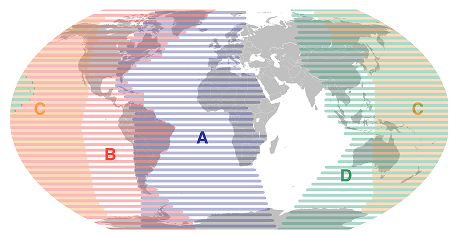
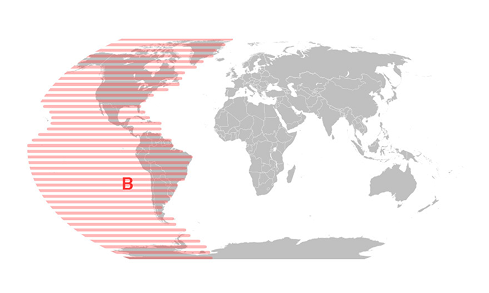
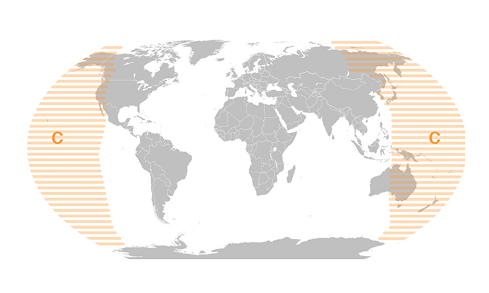
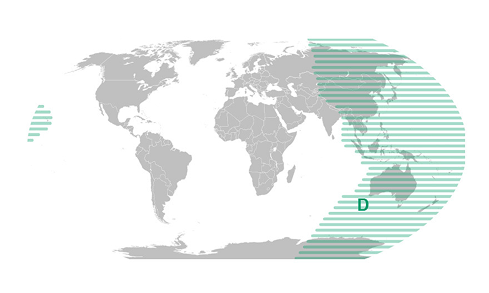
Map of Regions